Bullying becomes more powerful when harm stays private, witnesses stay quiet, and the person being targeted is left to carry the experience alone.
R.O.B. changes the conditions that allow bullying to work.
Rob them back.
R.O.B. is not about revenge. It is about changing those conditions.
Make the harm visible. Move support toward the person. Preserve what happened. Refuse to let silence become permission.
The goal is not to overpower the bully. It is to take away the environment that allows bullying to work.
Rob them of isolation. Rob them of silence. Rob them of unchecked power.
Rise. Rob them back. Let’s rob them together.
Bullying does not have one face.
Different expressions. Same destructive current.
Look for the pattern—not just the incident.
Look at the pattern, not just the incident.
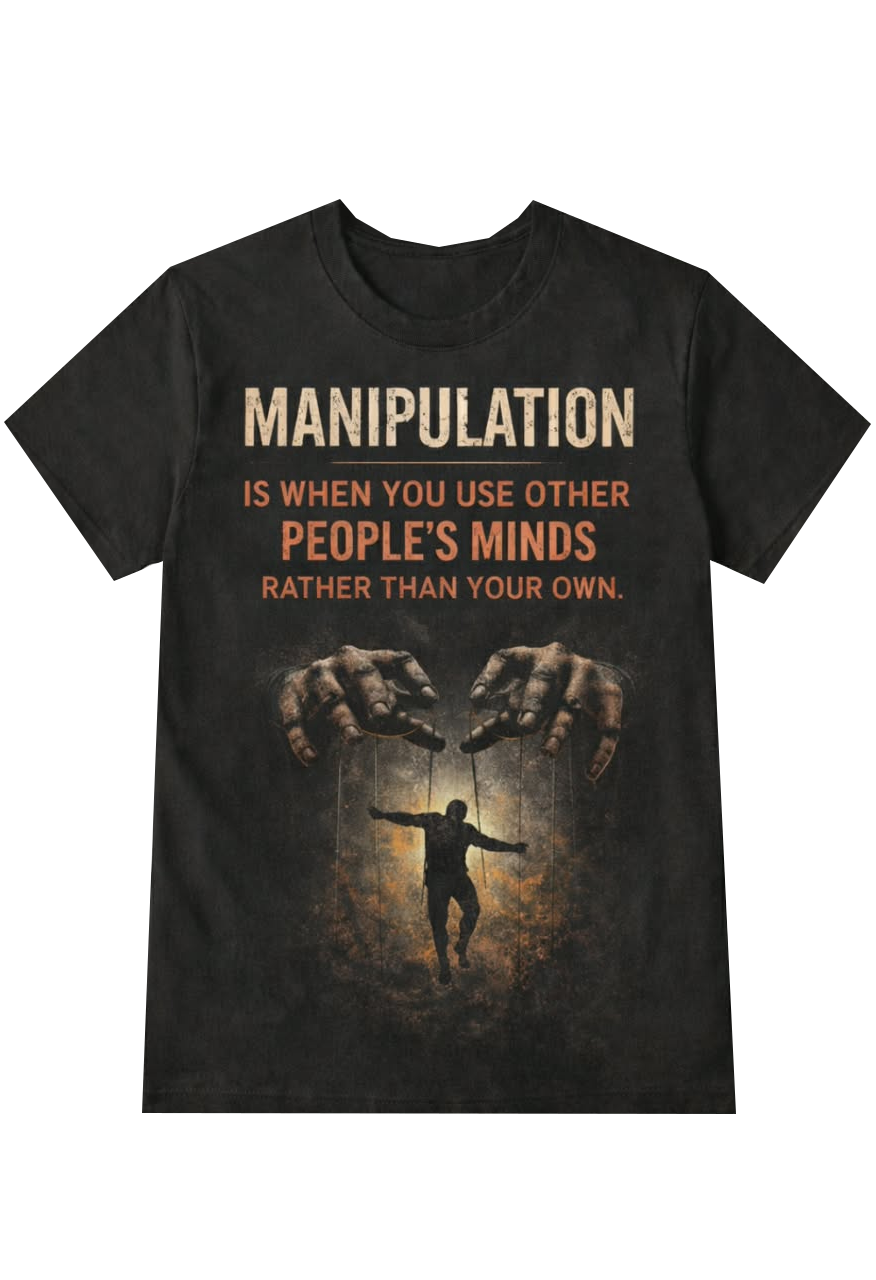
Manipulation is broader than a lie. It is an attempt to shape another person’s perception, emotions, relationships, or choices toward a preferred outcome.
Deceit
Changes the information.
Isolation
Limits access to support and other perspectives.
Gaslighting
Weaponizes manipulation against confidence in perception, memory, or judgment.
Entitlement
Assumes permission to override another person.
Presumptive judgment
Assumes superior knowledge of someone else’s reality.
Oppression
Can emerge when those pressures become powerful and durable enough to constrain agency.
And sometimes control arrives wearing the appearance of something better.
False Prophets of Affection
Not every expression of care is genuine.
Concern can conceal control. Protection can become possession. Affection can be used to gain access, compliance, dependency, or influence.
That does not mean every mistake, disagreement, or awkward expression of care is manipulation. The question is whether a pattern repeatedly moves toward less truth, less agency, more isolation, or more control.
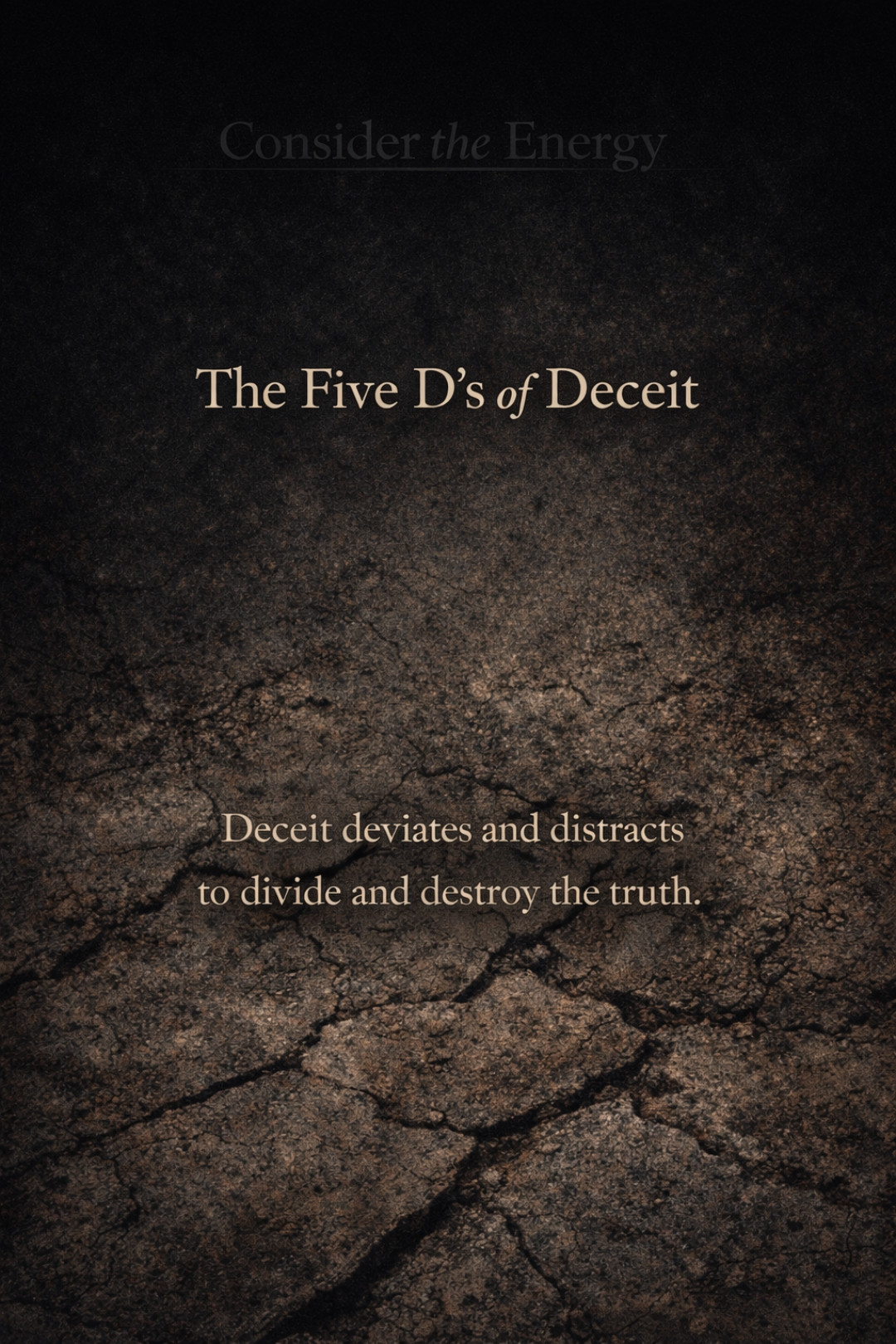
Deceit can begin by moving attention away from what actually happened. Distortion rarely needs to erase the truth all at once. Sometimes it only needs to keep people from looking at it clearly long enough.
What happens when the explanation you keep hearing no longer matches the experience you keep having?
The pressure often begins with explanations that sound ordinary.
“They meant well.”“It was only a joke.”“That’s just how they are.”“Maybe you misunderstood.”
When experience and explanation pull apart.
None of those statements automatically proves gaslighting. Sometimes they are ordinary attempts to explain, minimize, avoid conflict, or make sense of an uncomfortable situation.
But when explanations repeatedly replace another person’s experience, pressure begins to build.
Harm can be conscious or unconscious. Its consequences can be intentional or collateral.
Intent matters when responsibility is evaluated. Impact still exists.
When what a person experiences and what they are repeatedly told remain in conflict, cognitive dissonance can develop. Cognitive dissonance is not another form of bullying. It is one possible result of sustained contradiction.
FragmentationEverything starts becoming uncertain. The person may question their memory, judgment, relationships, or ability to act.False coherenceThe contradiction disappears because contrary evidence stops being admitted. Rationalization replaces examination. What once felt wrong becomes normal.Healthy coherenceThe ability to encounter contradiction without surrendering evidence, correction, or agency.
External invalidation can also become internalized. A person may begin repeating the same dismissive explanations to themselves—and sometimes later to others.
You do not have to know someone’s private motive to recognize a harmful pattern. Start with what can actually be observed.
Accountability does not mean taking control away from the person who was harmed.
Standing up means standing with them.
Ask what support they want. Preserve the facts. Respect their choices. Bring in responsible witnesses, leadership, policy, professional support, or emergency services when the situation requires it.
The goal is not to replace one form of control with another.
The goal is to create conditions where truth can survive, harmful patterns can be addressed, and people retain the ability to choose what happens next.
A person should not have to rise alone.
In the moment
When it is safe, interrupt degrading conduct, move support toward the targeted person, and make clear that the behavior is being witnessed.
After the incident
Check on the person, preserve relevant facts, identify available reporting channels, and ask what support they want rather than taking control away from them.
When a pattern exists
Bring together responsible witnesses, documentation, policy, supervision, community leadership, or professional support appropriate to the setting.
When danger is immediate
Prioritize physical safety and contact appropriate emergency or protective services rather than escalating the confrontation.
A person should not have to rise alone.
See the harm. Support the person. Preserve the truth. Refuse to normalize the pattern.